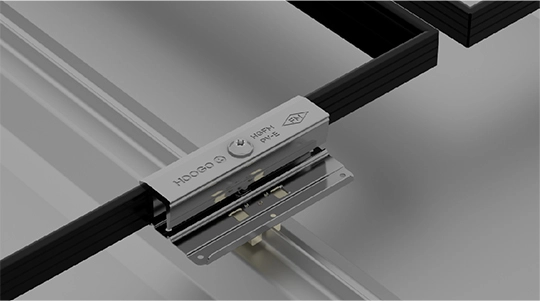
Why Load Capacity Matters in FM Approved Seismic Bracing Systems
Why Load Capacity Matters in FM Approved Seismic Bracing Systems
Understanding the engineering role of load capacity in seismic restraint design for fire protection pipelines
1. Introduction
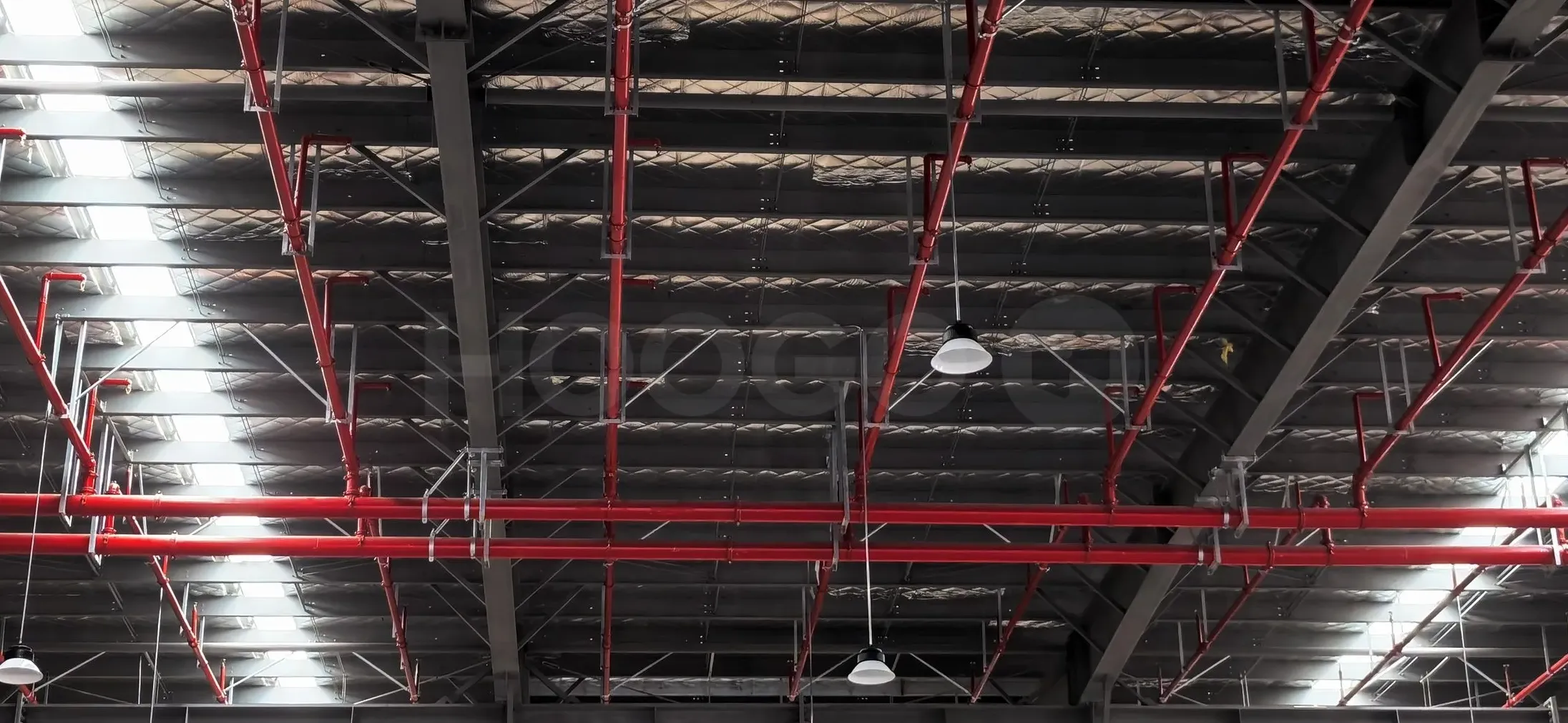
Seismic bracing plays a critical role in protecting fire protection pipelines during earthquakes.
While many design discussions focus on compliance with installation standards or layout requirements, the mechanical performance of the bracing components themselves is equally important.
Among the various parameters used to evaluate seismic bracing systems, load capacity is one of the most fundamental indicators of performance.
In FM approved seismic bracing systems, load capacity directly influences how effectively a bracing system can restrain pipe movement and maintain system integrity during seismic events.
Understanding why load capacity matters requires examining how seismic forces act on piping systems and how bracing components respond to those forces.
2. Seismic forces acting on fire protection pipelines
During an earthquake, building structures experience rapid horizontal and vertical accelerations.
These accelerations generate dynamic forces that act on non-structural components inside the building, including:
fire sprinkler pipelines
mechanical piping systems
cable trays and equipment
For fire protection pipelines, seismic forces are typically transmitted through:
the mass of the pipe and contained water
inertial forces generated by structural movement
interaction between pipes and surrounding structural elements
Without adequate restraint, these forces can cause pipelines to:
swing laterally
experience large displacement
overload connections or supports
Seismic bracing systems are installed specifically to limit this movement.
3. The mechanical role of seismic bracing
A seismic brace functions as a force-resisting element.
Instead of allowing pipelines to move freely during structural motion, braces transfer seismic forces from the pipe into the building structure.
For a brace to perform this function effectively, it must be able to:
resist axial forces generated by seismic loading
maintain stability under dynamic conditions
transfer loads through anchors and structural connections
If the brace cannot sustain the required load, the restraint mechanism breaks down.
4. Why load capacity is critical in seismic restraint systems
Load capacity represents the maximum force a bracing component can sustain while maintaining structural integrity.
In seismic applications, this parameter determines whether the brace can continue functioning as a restraint element under earthquake loading.
If the load capacity is insufficient, several failure scenarios may occur:
Brace yielding or buckling
Under excessive axial force, braces may experience:
yielding of steel components
buckling in compression members
deformation that reduces effective restraint
Anchor failure
Seismic forces transmitted through the brace must ultimately be resisted by anchors attached to the building structure.
If the brace load exceeds anchor capacity, anchorage failure may occur.
Loss of restraint effectiveness
Even if catastrophic failure does not occur, a brace with insufficient load capacity may allow excessive pipe movement before reaching its limit.
This reduces the ability of the system to control displacement.
5. Load capacity and seismic displacement control
In seismic engineering, force and displacement are closely related.
When a seismic brace resists pipe movement, it generates a restoring force that counteracts seismic motion.
Higher brace capacity generally means:
stronger resistance to lateral movement
improved control of pipe displacement
reduced stress on pipe joints and connections
Conversely, if brace capacity is low, the restraint force may be insufficient to prevent large pipe movement.
This is why engineers evaluating seismic bracing systems often compare load capacity values across different manufacturers.
6. Engineering considerations when selecting seismic braces
Several factors influence the effective load capacity of a seismic bracing system:
Material strength
High-strength steel components provide greater resistance to axial loading.
Structural geometry
Brace configuration and cross-sectional geometry affect buckling resistance and stiffness.
Connection design
Bolted or welded connections must be capable of transmitting the full brace load without premature failure.
Anchorage performance
Anchors connecting the brace to the building structure must sustain combined tension and shear forces generated during seismic events.
A well-designed seismic bracing system integrates all of these elements to ensure reliable load transfer.
7. Hoogo's engineering approach to seismic bracing capacity
Hoogo's FM Approved Seismic Bracing System is engineered with a strong focus on mechanical performance.
Key characteristics include:
high load capacity bracing components designed for seismic restraint applications
compatibility with a wide range of pipe sizes from DN25 to DN300
flexible installation angles between 30° and 90°
engineering support tools that assist designers in developing FM-compliant bracing layouts
These features help engineers design seismic restraint systems that maintain reliable load paths and effective pipe restraint under earthquake loading.
8. Conclusion
Seismic bracing systems are essential for protecting fire protection pipelines during earthquakes.
Among the many parameters used in seismic design, load capacity is one of the most critical indicators of brace performance.
A brace with sufficient load capacity can effectively restrain pipe movement, transfer seismic forces into the building structure, and help maintain system integrity during seismic events.
For engineers designing fire protection systems in seismic regions, understanding the role of load capacity is an important step toward selecting reliable seismic bracing solutions.
Hoogo continues to focus on engineering improvements that enhance seismic restraint performance while supporting FM compliant system design.
For technical discussions or project support, please feel free to contact us.
? WhatsApp: +86 184 5226 4005
✉️ Email: info@szhoogo.com
Related Products
ETA Certified Anchor Fixing System
TUV Certified Flexible Barrier System