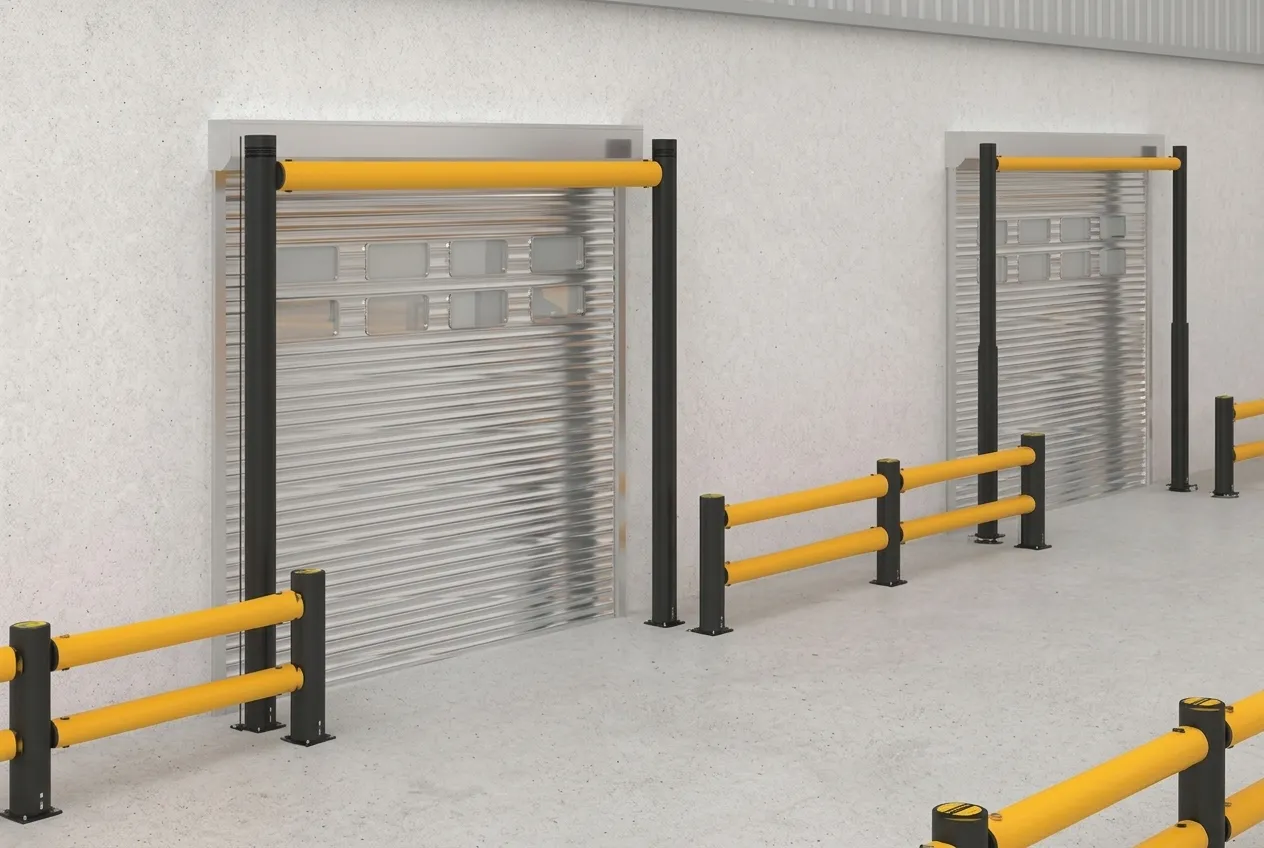
The Hidden Costs of Traditional Steel Guardrails in Modern Warehouses
Walk into almost any traditional manufacturing plant or high-throughput logistics center, and you will likely see dented, scratched, or bent yellow steel guardrails lining the aisles. For decades, structural steel has been the default choice for industrial asset protection.
However, for modern warehouse operations managers, EHS directors, and procurement teams, what seems like a cost-effective choice on an initial procurement invoice often becomes a significant operational money pit over time.
The hidden costs of rigid steel guardrails are quietly eroding facility budgets. Here is the engineering and financial reality of why traditional steel is being replaced by flexible polymer technology
1. Concrete Floor Damage and Structural Cracking
The primary drawback of traditional steel guardrails is their lack of elasticity. When a heavy forklift strikes a rigid steel barrier, the system cannot absorb the kinetic energy. Instead, it transfers the entire force of the impact straight down into the floor anchor bolts
This intense force often causes the surrounding concrete floor to crack, fracture, or blow out permanently
2. Permanent Deformation and the Continuous MRO Cycle
Steel lacks the ability to recover from a collision. Once a steel guardrail suffers an impact, it deforms permanently
This triggers a recurring cycle for your facility's MRO (Maintenance, Repair, and Operations) budget: unbolting the bent guardrail, repairing the floor, purchasing a replacement barrier, and dealing with operational downtime during installation
3. High Long-Term Maintenance and Painting Expenses
Steel guardrails require ongoing upkeep. Every scratch and minor scrape from daily warehouse traffic removes the protective coating, leading to rust and a degraded appearance. To pass safety audits and maintain visibility, facilities must continuously spend time and resources repainting them.
The Modern Solution: TUV-Certified Flexible Polymer Barriers
To eliminate these continuous maintenance costs and protect infrastructure, global industry leaders are phasing out traditional steel in favor of advanced flexible barrier systems
Instead of fighting impact forces with brute force, flexible polymer barriers leverage engineered elasticity
Because the system manages the impact energy dynamically, the force exerted on the concrete floor and anchor bolts is significantly minimized, protecting the floor from cracking and eliminating the need for constant maintenance
Steel vs. Flexible Polymer: Total Cost of Ownership
| Evaluation Factor | Traditional Rigid Steel Barriers | Flexible Polymer Barrier Systems (HOOGO) |
| Impact Response | Permanent deformation upon significant impact. | Dynamic flexing with full elastic recovery back to original shape. |
| Concrete Floor Impact | High risk of fracturing and tearing out floor anchors. | Safe energy absorption that prevents concrete floor damage. |
| Long-Term Maintenance | High MRO costs due to continuous replacement, floor repairs, and repainting. | Zero maintenance costs; no painting or structural replacement needed. |
| Safety Compliance | Variable, depending on weld quality and post-impact wear. | Fully certified under global TUV NORD (PAS13:2017) standards. |
Proven Reliability and Industry Standards
When selecting safety infrastructure, guesswork is a liability. Modern flexible barrier systems are rigorously tested under globally recognized frameworks like the British Standard PAS13:2017 and verified by independent authorities such as TUV NORD
This verifiable performance is why top-tier global enterprises across automotive, logistics, and retail industries have upgraded their facilities. Organizations such as Tesla Gigafactory Shanghai, NIO Automobile, BYD, GLP (ProLogis), and AS Watson Group rely on these flexible polymer systems to secure their operations
Conclusion
Evaluating safety infrastructure solely on the initial purchase price ignores the true cost of industrial maintenance. Traditional steel guardrails create a rolling financial liability through recurring floor repairs and component replacements.
Investing in a TUV-certified, PAS13-compliant flexible polymer barrier system is a strategic decision that delivers genuine cost reductions and efficiency improvements—protecting your infrastructure, securing your team, and safeguarding your bottom line from hidden MRO expenditures.
[Contact HOOGO's Technical Engineering Team for a TUV-certified Flexible Barrier System]
Related Products
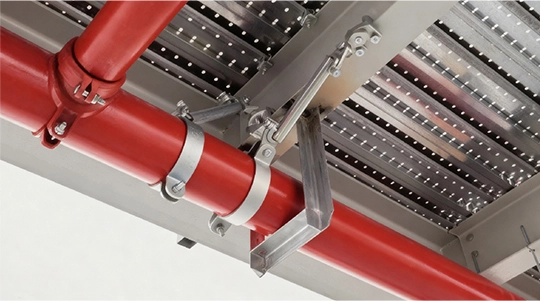
FM Approved Seismic Bracing Systems
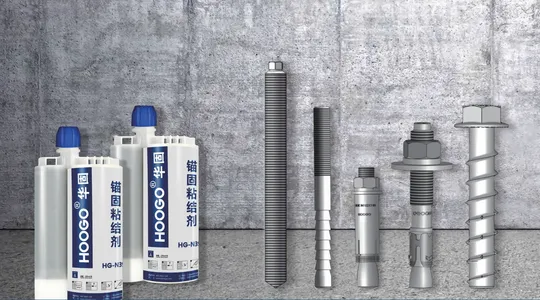
ETA Certified Anchor Fixing System