5 Core Metrics for C&I Solar Investment in 2026: A Risk-Based Guide
In 2026, the industrial solar landscape has entered a "Risk-First" era. As highlighted in the Solar Risk Assessment (SRA) 2026 report by kWh Analytics, the industry is shifting its focus from mere energy yield to comprehensive asset durability. With hail damage, mechanical fire risks, and long-term operational degradation (such as the "propeller effect") dominating the industry's loss drivers, procurement teams must look beyond standard efficiency charts.
To ensure your investment remains bankable and operational for the next 25 years, here are the 5 core metrics for C&I solar procurement in 2026.
1. Integrated Hail Mitigation: Glass Resilience + Stow Strategies
The 2026 SRA report confirms that hail is a financial loss leader. Crucially, the industry has realized that resilient glass alone is not a silver bullet.
The SRA Insight: 52% of the contiguous US requires mitigation beyond standard 2mm/2mm glass to keep asset losses below a 10% threshold.
The HOOGO Approach: We don't just rely on glass strength. We design for "Robust Stow". HOOGO systems facilitate high-angle stowing (≥70°) during storm events. By combining FM 4478 Class 4 glass (50.8 mm resistance) with a system capable of high-angle positioning, we neutralize the kinetic energy that would otherwise shatter standard modules.
2. Managing the "Invisible" Fire Risk
The 2026 SRA data reveals a critical reality: 84% of PV fire events are equipment-driven brushfires, not wildfires. Furthermore, 79% of high-risk connector failures remain invisible during standard inspections.
The HOOGO Approach: Because the ignition source originates within the plant (connectors, fuses), you cannot rely on component-level ratings alone. HOOGO systems carry FM 4478 Class A System-Level Fire Compliance. We ensure the entire assembly—including modules, mounting, and roof interface—is tested to prevent fire spread across the roof deck, protecting your facility's insurance eligibility even when equipment failures occur.
3. Combating the "Propeller Effect"
Long-term operational efficacy is often eroded by silent failures. The 2026 SRA highlights the "propeller effect," where tracker twisting leads to localized shading losses exceeding 30%.
The HOOGO Approach: We prioritize Mechanical Torsional Rigidity. Over a 25-year lifetime, hundreds of thousands of tilt cycles can induce "twist" in trackers, leading to micro-shading. HOOGO's integrated assemblies are tested to maintain geometric alignment through these stress cycles. We keep your modules locked in their design shape, ensuring you aren't losing 30% of your production to hidden mechanical drift.
4. Insurance-Validated Bankability
As loss data grows more transparent, insurers are penalizing projects that rely on "minimum viable standards." 2026 marks the year where your system's certification profile dictates your financial structure.
The HOOGO Approach: We view FM Approved status as a financial tool. By deploying systems that meet FM 4478 standards, we provide underwriters with the technical confidence that your asset is engineered for loss prevention. This "risk buffer" often translates into lower insurance premiums and easier financing terms—a direct improvement to your project's ROI.
5. Lifecycle Compatibility with the Building Envelope
In 2026, the roof is not just a mounting surface; it is part of the solar machine.
The HOOGO Approach: We reject "universal" mounting. HOOGO provides verified hardware integration with your specific roof deck, including thermal expansion management. By partnering directly with roofing OEMs like BlueScope/Butler, we ensure the PV installation enhances, rather than voids, your roof's structural warranty.
2026 Procurement Checklist: Risk-Based Evaluation
Metric | SRA 2026 Challenge | HOOGO Risk-Optimized Approach |
Hail Strategy | 52% of US sites need > standard glass | FM Class 4 + Robust Stow Integration |
Fire Safety | 84% of fires are equipment-driven | FM 4478 Class A System Compliance |
Mechanical Risk | "Propeller Effect" (>30% shading) | High-Torsional Rigidity Assemblies |
Insurance | Tighter underwriting in 2026 | FM Approved (Loss-Prevention Verified) |
Integration | Hardware mismatch/Roof damage | OEM-Verified (Butler/BlueScope Harmony) |
Conclusion: Engineering for a Heightened-Risk Future
The 2026 Solar Risk Assessment is a call to action. Building robust infrastructure requires more than high-efficiency cells—it demands data-driven, engineering-led procurement. By selecting systems that account for hail, mechanical stability, and internal equipment risks, you are investing in a hardened, bankable, and durable energy asset.
Ready to align your project procurement with 2026 Risk Standards?
[Contact our Technical Engineering Team for a 2026 Risk Profile Assessment]
Related Products
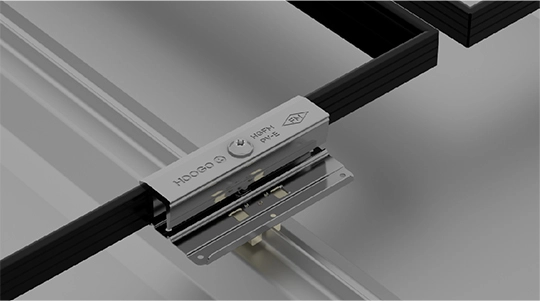
FM Approved Roof-Mounting PV Module Systems
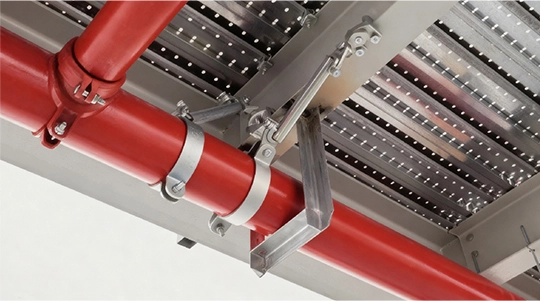
FM Approved Seismic Bracing Systems
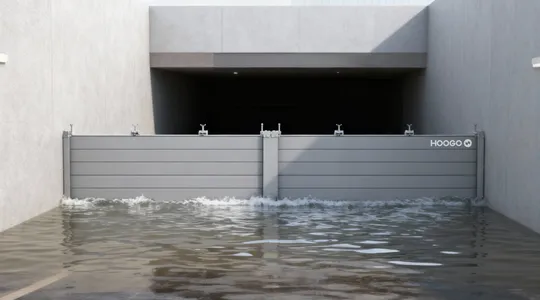
FM Approved Flood Barrier System
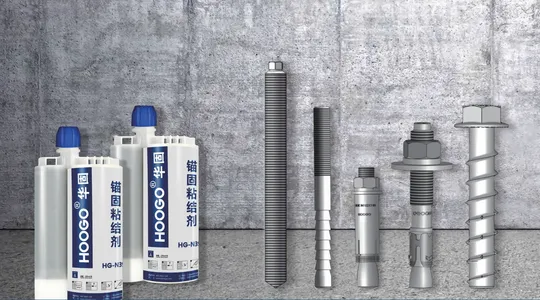
ETA Certified Anchor Fixing System
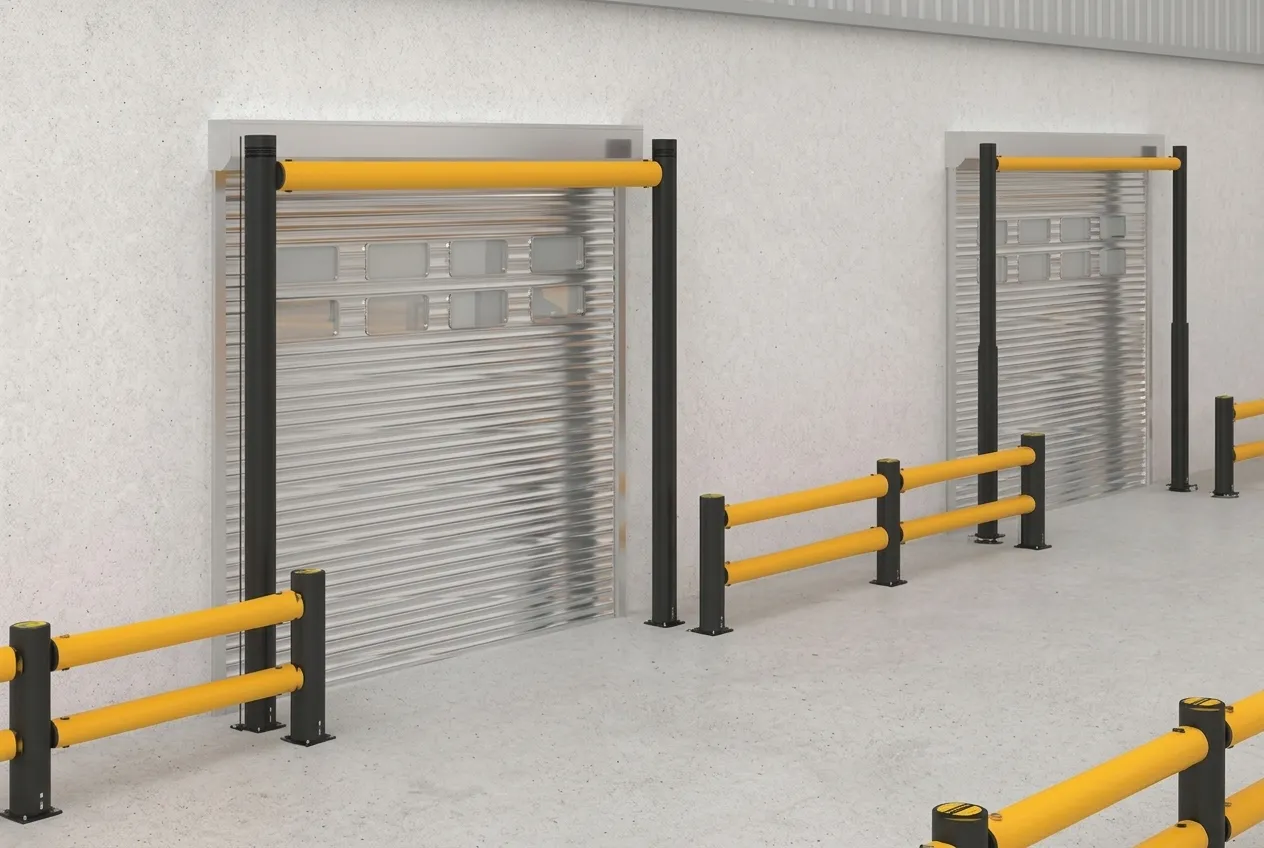
TUV Certified Flexible Barrier System